Understanding Climate Change Using Data Science
  • Home
  • Research
  • AI Literacy
  • Twitter
  • Facebook
  1. Anthropocene? Why Should We Care About Climate Change?
  2. 15  Why Do We Care?

  • FRONT MATTER
    • Welcome
    • Preface
    • About the Book
    • About the Authors

  • Programming and Visualization Primer
    • 1  Setup and Installation
    • 2  Python Primer
    • 3  Pandas

  • 2024 (v1) / 2026 (v2) Climate Dashboard
    • 4  Introduction
    • 5  U.S. and Global Temperatures
    • 6  Seasonal Temperature
    • 7  High and Low Temperatures
    • 8  Temperature and Heat
    • 9  Arctic and Antarctic Ice
    • 10  Oceans
    • 11  Sea Level Rise (SLR)
    • 12  Part 1: Conclusion

  • Are We Responsible? Anthropocene Effect?
    • 13  Are We Responsible for Climate Change? Introduction
    • 14  Greenhouse Gas Emissions

  • Anthropocene? Why Should We Care About Climate Change?
    • 15  Why Do We Care?
    • 16  NOAA Climate Indicators: Droughts
    • 17  Disaster Declarations by FEMA

  • What Can We Do? Personal Action, Mitigation and Resilience
    • 18  A Collaborative Call for Action

Table of contents

  • 15.1 Floods
  • Edit this page
  • Report an issue
  • View source
  1. Anthropocene? Why Should We Care About Climate Change?
  2. 15  Why Do We Care?

15  Why Do We Care?

In Part 1, we have seen that many of the climate indicators show that there is a significant change. We are setting records for high temperatures, sea levels are rising, ice sheets and glaciers are melting, and the oceans are absorbing a lot of the excess heat.

In Part 2, we have seen that there is an increase in greenhouse gas emissions over time. The buildup of greenhouse gases in our atmosphere is likely to contribute to the warming of the planet due to the greenhouse effect. We have also seem that the major contributors to greenhouse gas emissions are electricity generation, transportation, and industry, contributing to more than three-quarters of U.S. greenhouse gas emissions.

As electricity, transportation, and industry are all important human activities, there can be some trade-offs between the benefits of these activities and their impact on climate change. Before, we explore ways to reduce greenhouse gas emissions, In Part 3, we will analyze some of the extreme weather events and their freqency over the past few decades.

15.1 Floods
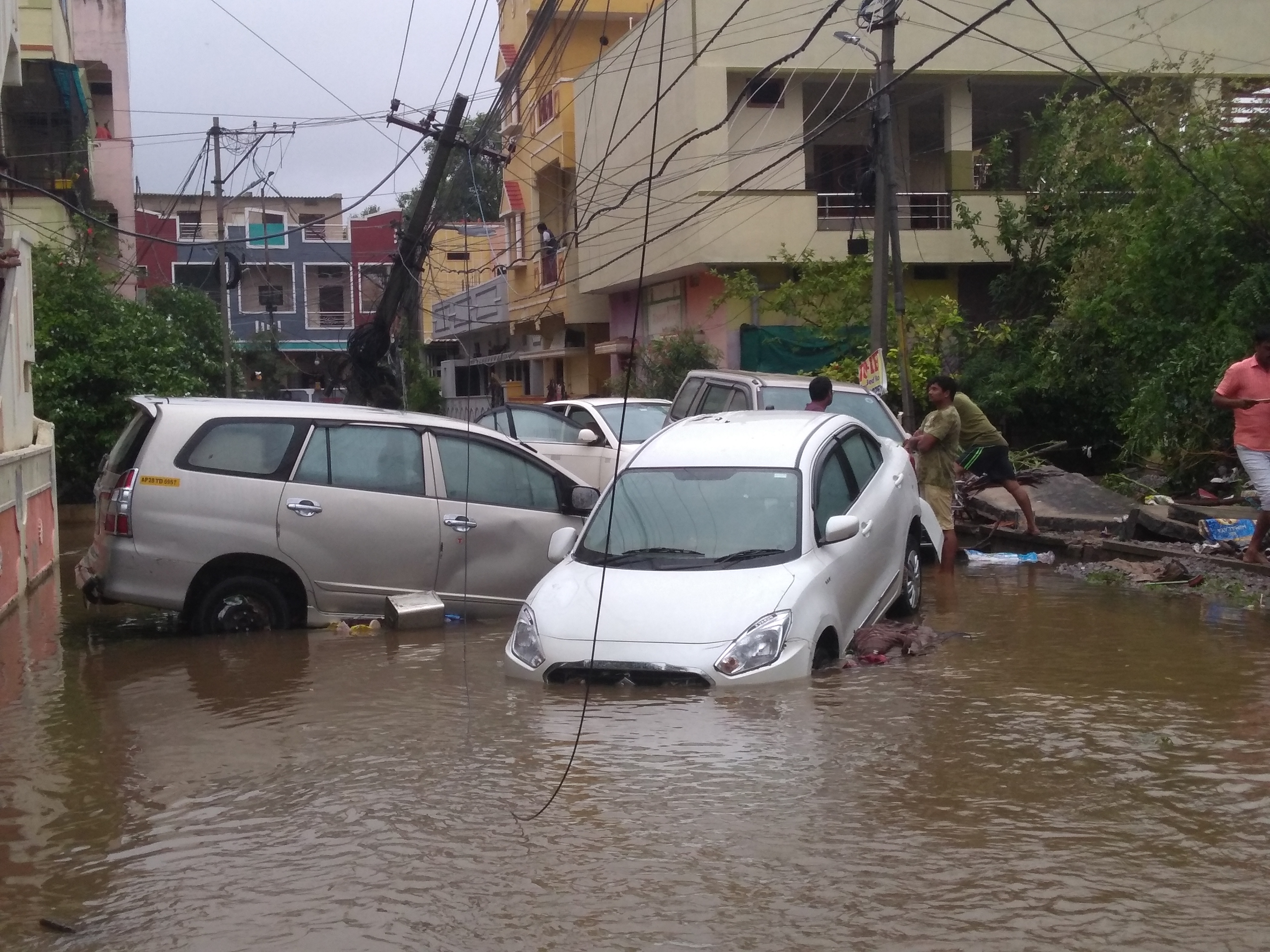
Hyderabad Floods (Wikimedia Commons)

source: Strike Eagle, CC BY-SA 4.0 https://creativecommons.org/licenses/by-sa/4.0, via Wikimedia Commons

Mekong

source: Basile Morin, CC BY-SA 4.0 https://creativecommons.org/licenses/by-sa/4.0, via Wikimedia Commons

16  NOAA Climate Indicators: Droughts

Sloka Chava and Sahasra Chava

 
  • Edit this page
  • Report an issue
  • View source

NextGen360.