13 Are We Responsible for Climate Change? Introduction
14 Part 2: Introduction
In part 1, we have visualized the climate data and through the visualizations, we could see that there are significant changes in the climate.
Global temperatures, both land and ocean, have set records with 2024, 2023 and 2025, the three warmest years on record (per NOAA’s global temperature record, accessed August 2026).
Oceans are absorbing a lot of the excess heat and the global sea surface temperature remained historically high
Ice sheets and glaciers are melting
Sea level is rising
These are facts that the data analysis and visualizations have shown us.
In this part, we will explore the question of whether humans are responsible for these changes. We will look at the evidence for human-caused climate change, and we will discuss the implications of this evidence for our future.
14.1 “Why is the Climate Changing? Are We Responsible?”
 Source: https://berkeleyearth.org/dv/temperature-change-vs-carbon-dioxide-concentration/
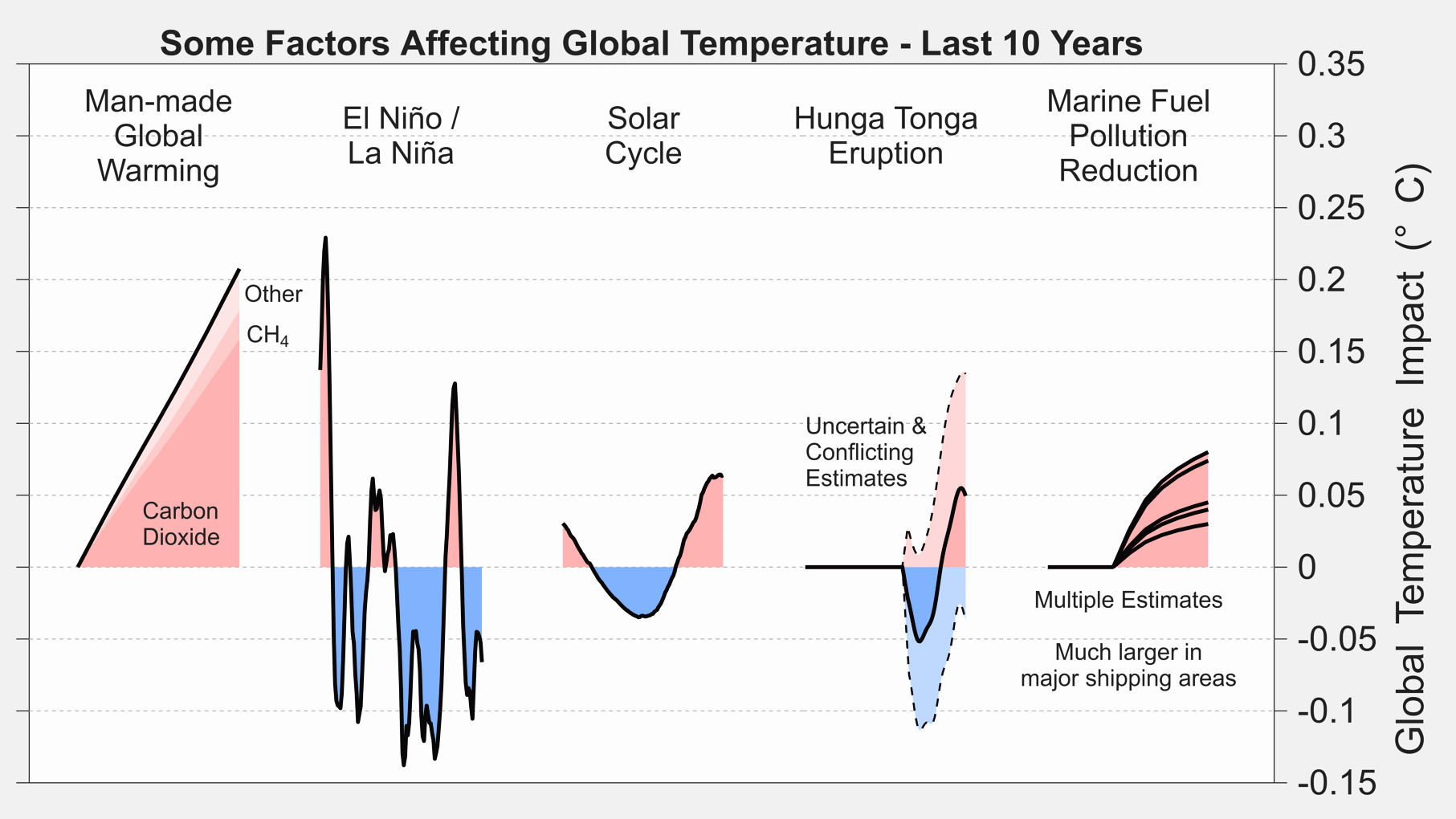
As the Berkeley Earth Report highlights
The warming pattern in 2023 to 2025 has been extraordinary. It appears to have been caused by a combination of natural and man-made factors.
Over the long-term man-made global warming has been responsible for gradually increasing temperatures at a rate of ~0.20 °C / decade. Greenhouse gas emissions, which are the underlying cause of global warming, reached record highs in 2025.
The evidence that there is a significant increase in Greenhouse gas emissions over time is pretty clear.
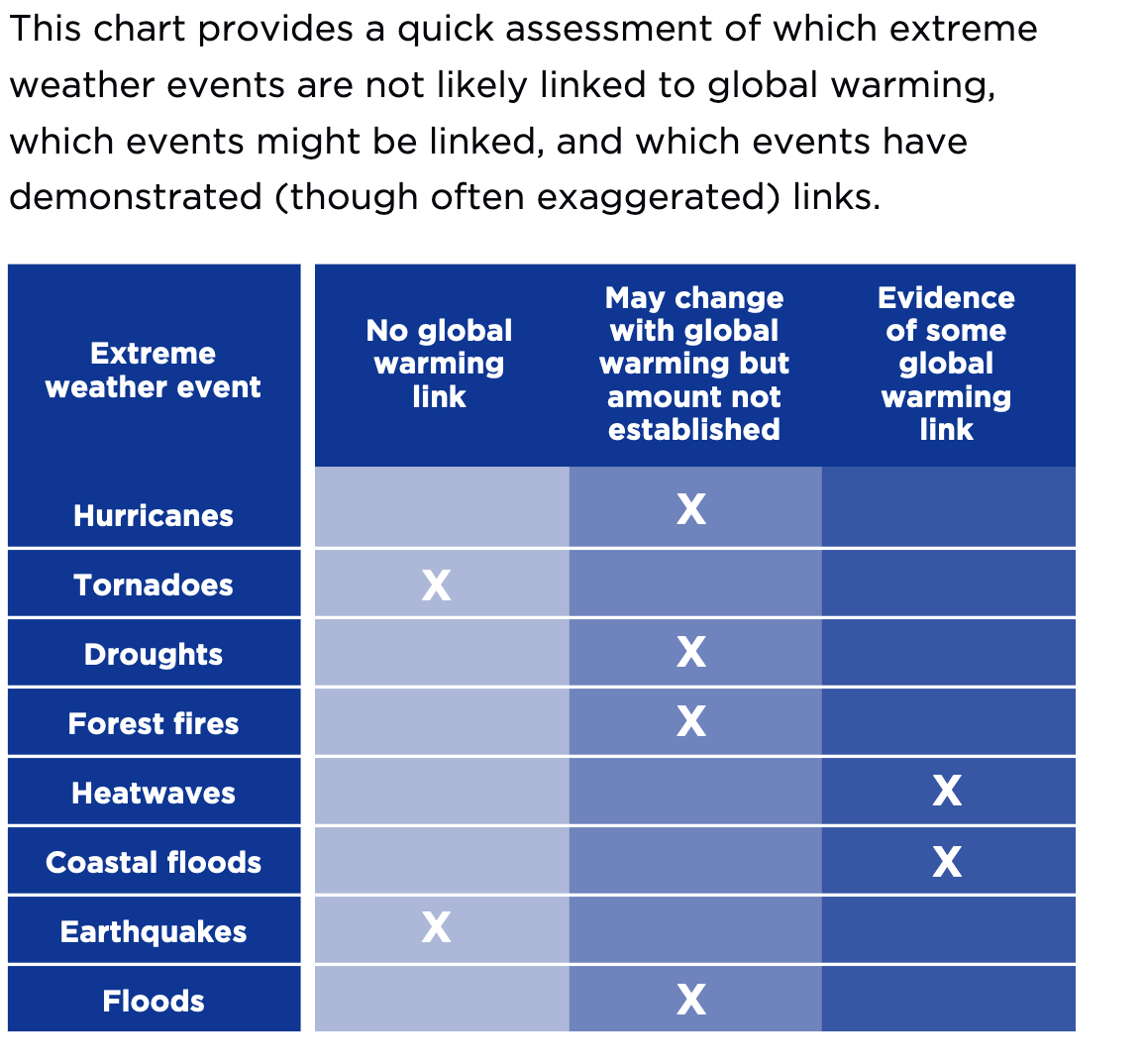
While there can be some debate on the exact magnitude of the impact and how much of it can be attributed to GHG gases alone, it appears that increase in GHG gases can lead to global warming.
So, we will focus mainly on the greenhouse gases and their potential impact on climate change in this part.
